
Children
Multi-age Environment
Learning is a living process formed through relationships. At The Wellspring Project, children build understanding through curiosity, play and experience. Rather than following a fixed curriculum or relying on standardised teaching and testing, adults cultivate the conditions for natural intelligence to flourish.
Our environment is multi-age by design. Children learn best when they can interact fluidly with peers of different ages, mentors, and the living world around them — and they move through the entire ecosystem: the Farm, the Kitchen, Creative Processes, the Computer Lab and the Wholeness spaces.
A fluid orientation, not grades
Our phases act as a river rather than a ladder. The ages are indicative, not strict — children move through them fluidly as they grow.
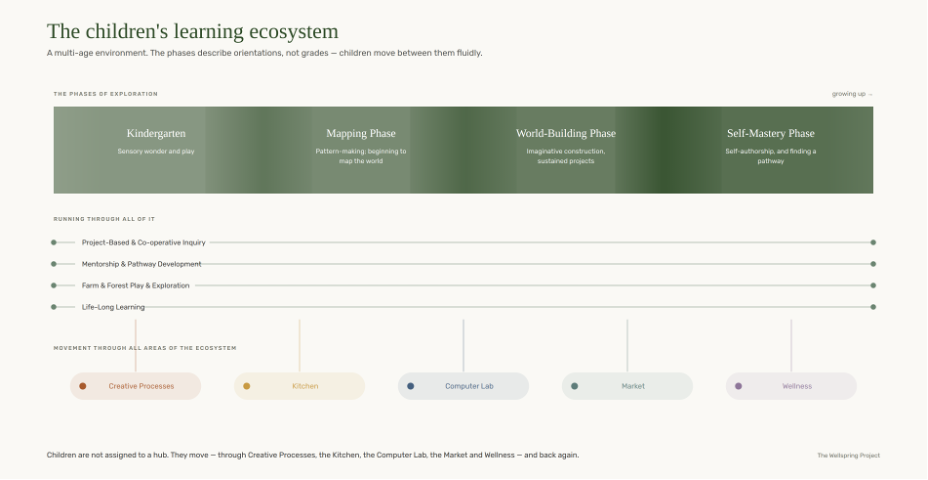
2–5 years
Kindergarten
"Our Kindergarten is not a place apart from life, but a living part of it."
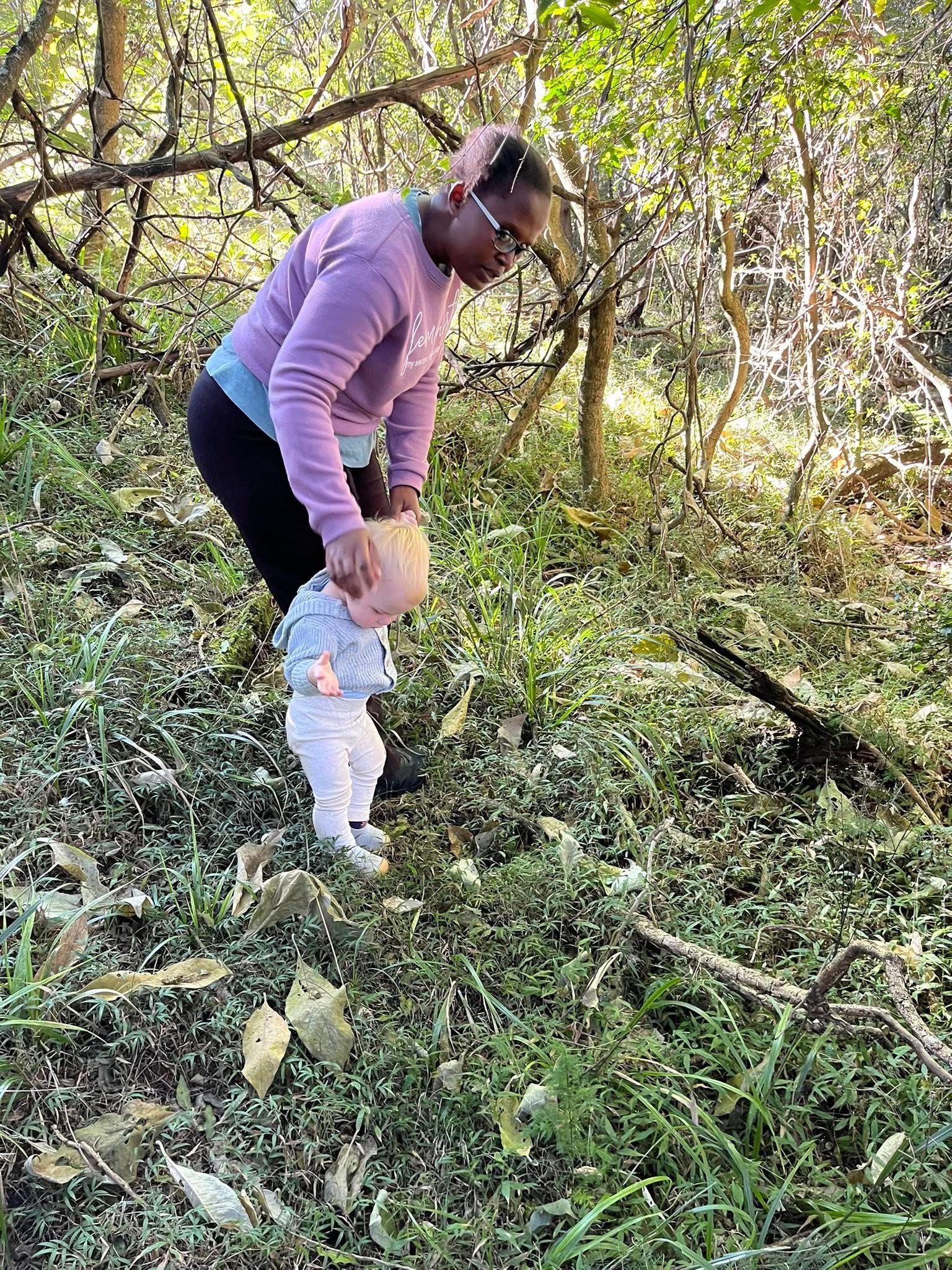
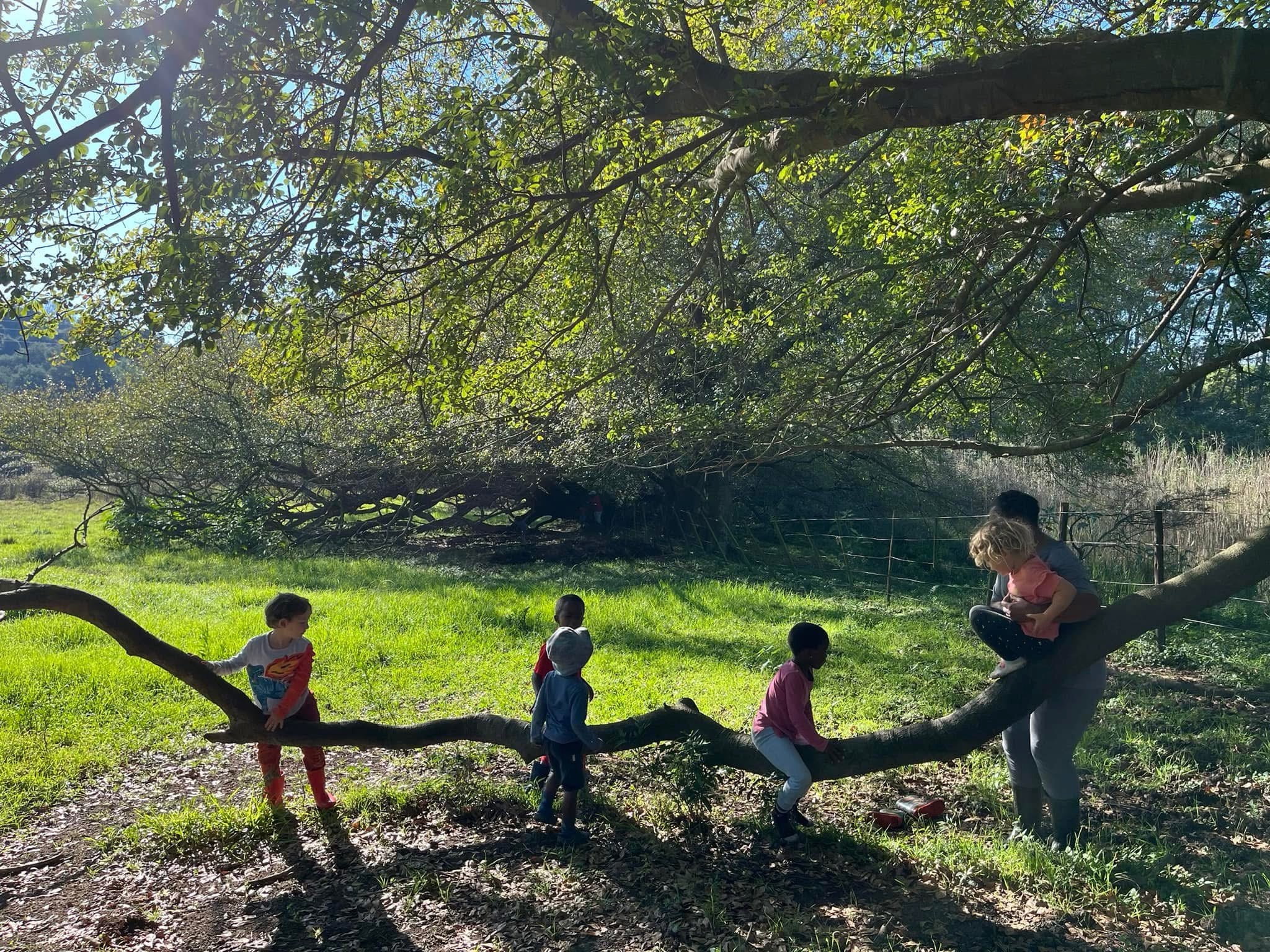
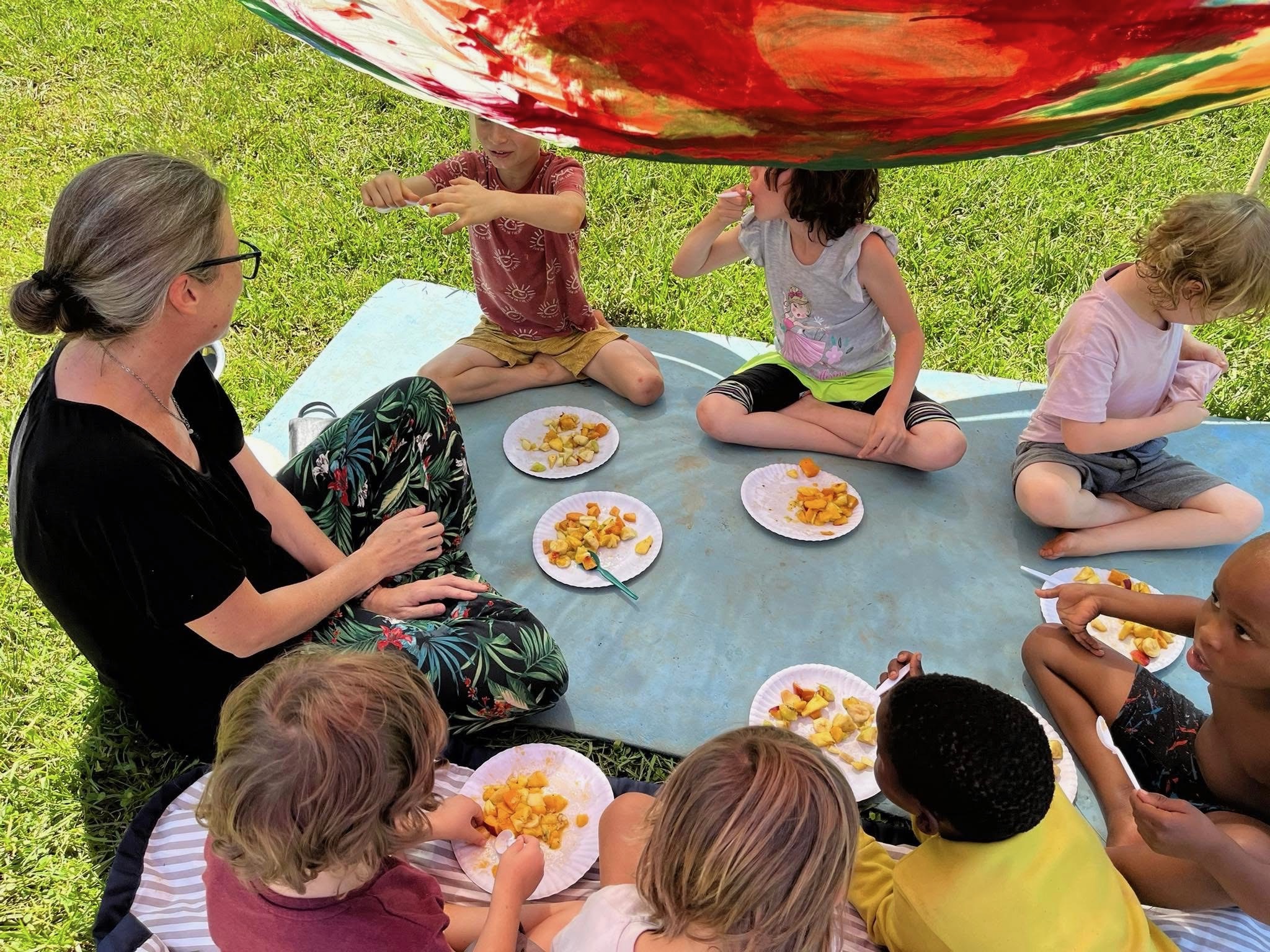
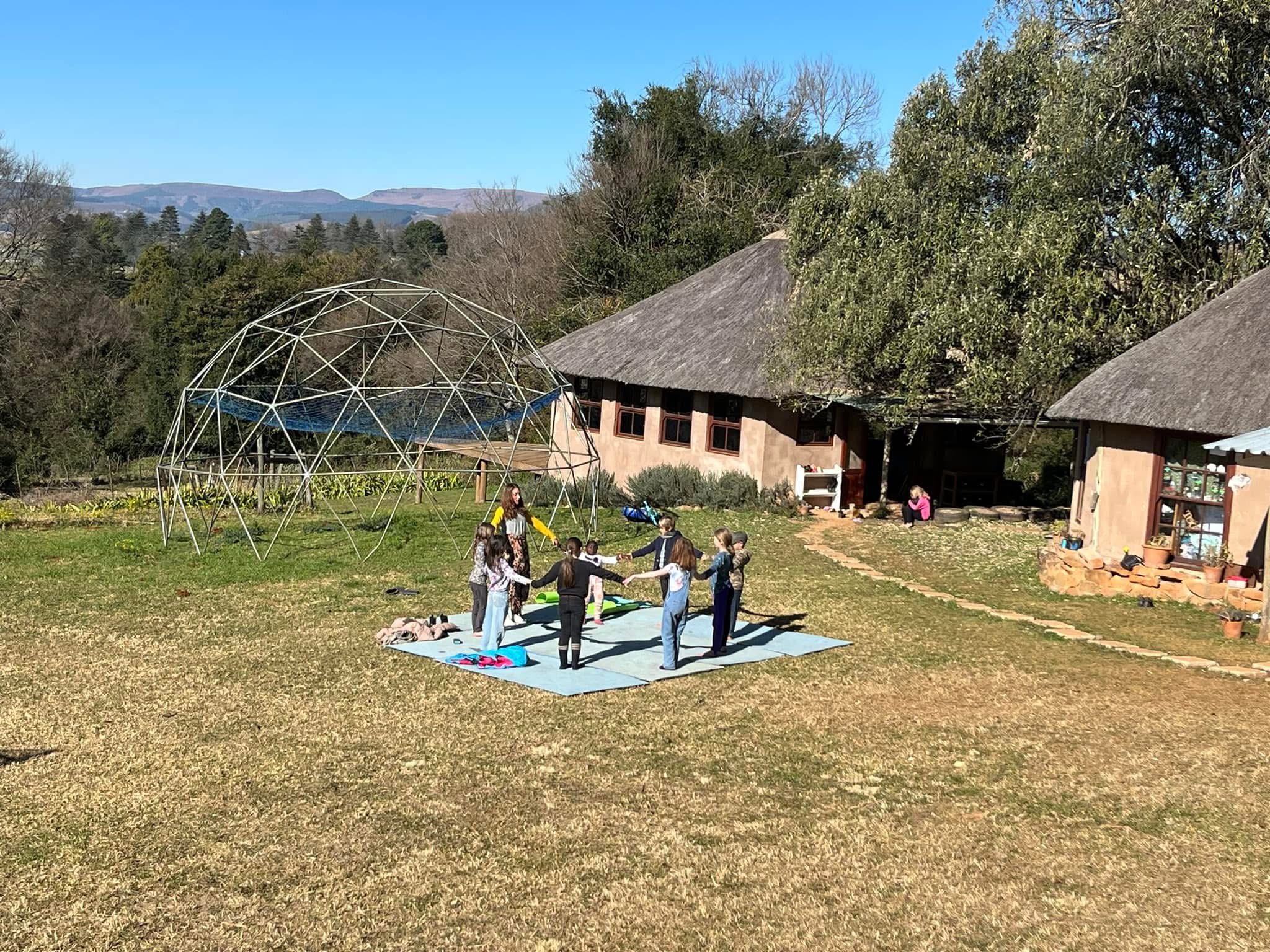
The Kindergarten sits at the heart of a wider learning ecosystem — a living, breathing community where children of many ages learn alongside one another, guided by curiosity and trust. The youngest ones are surrounded by older children who model care, courage and imagination; and the older ones are reminded, through the littlest voices and discoveries, of what it means to be close to wonder.
We believe that every child is born whole — already equipped with the drive and capacity to make sense of life in their own way. Our role as adults is not to fill them up, but to accompany them: to listen, to observe, to offer the right material or question or gesture at the right time.
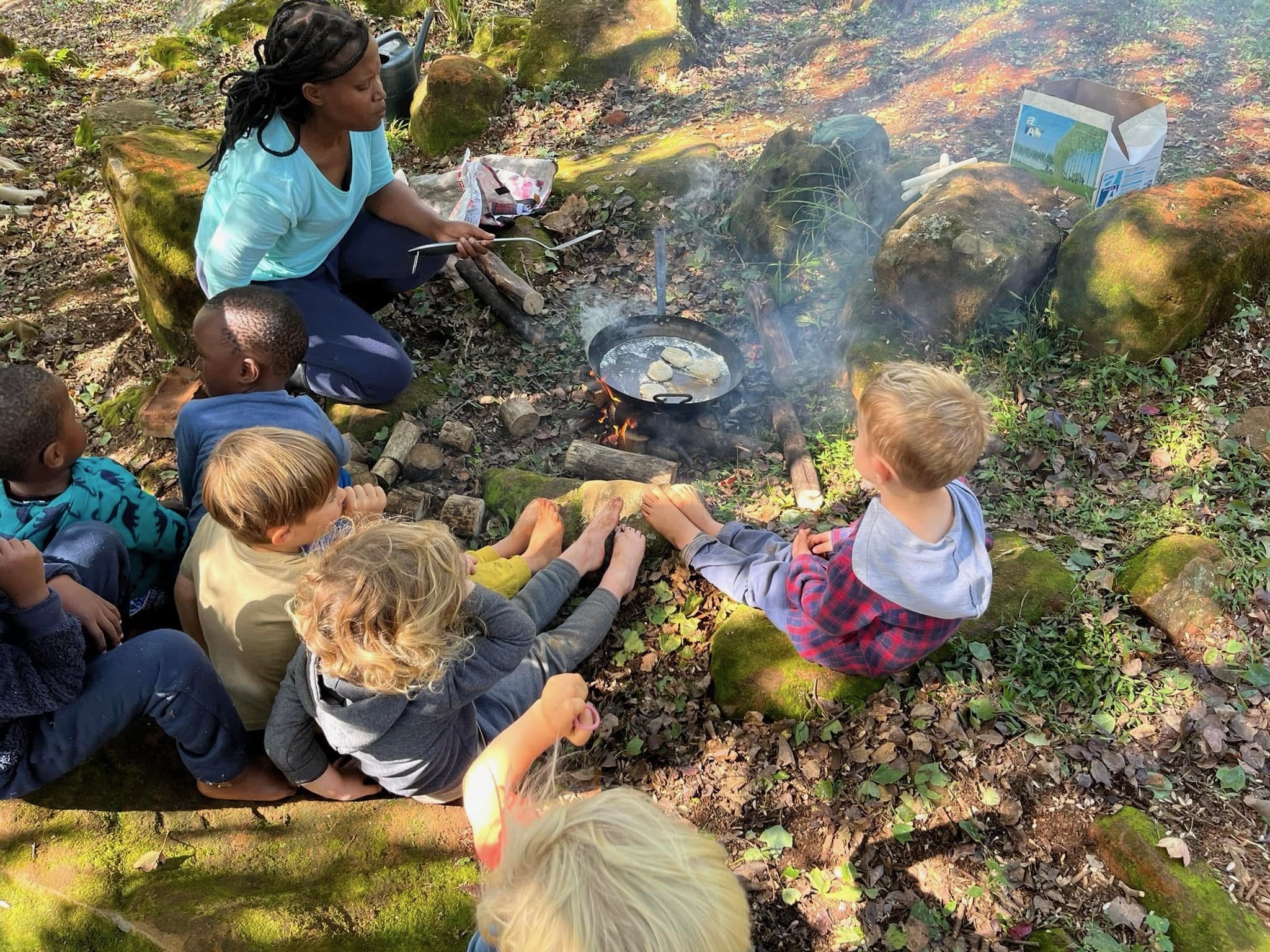
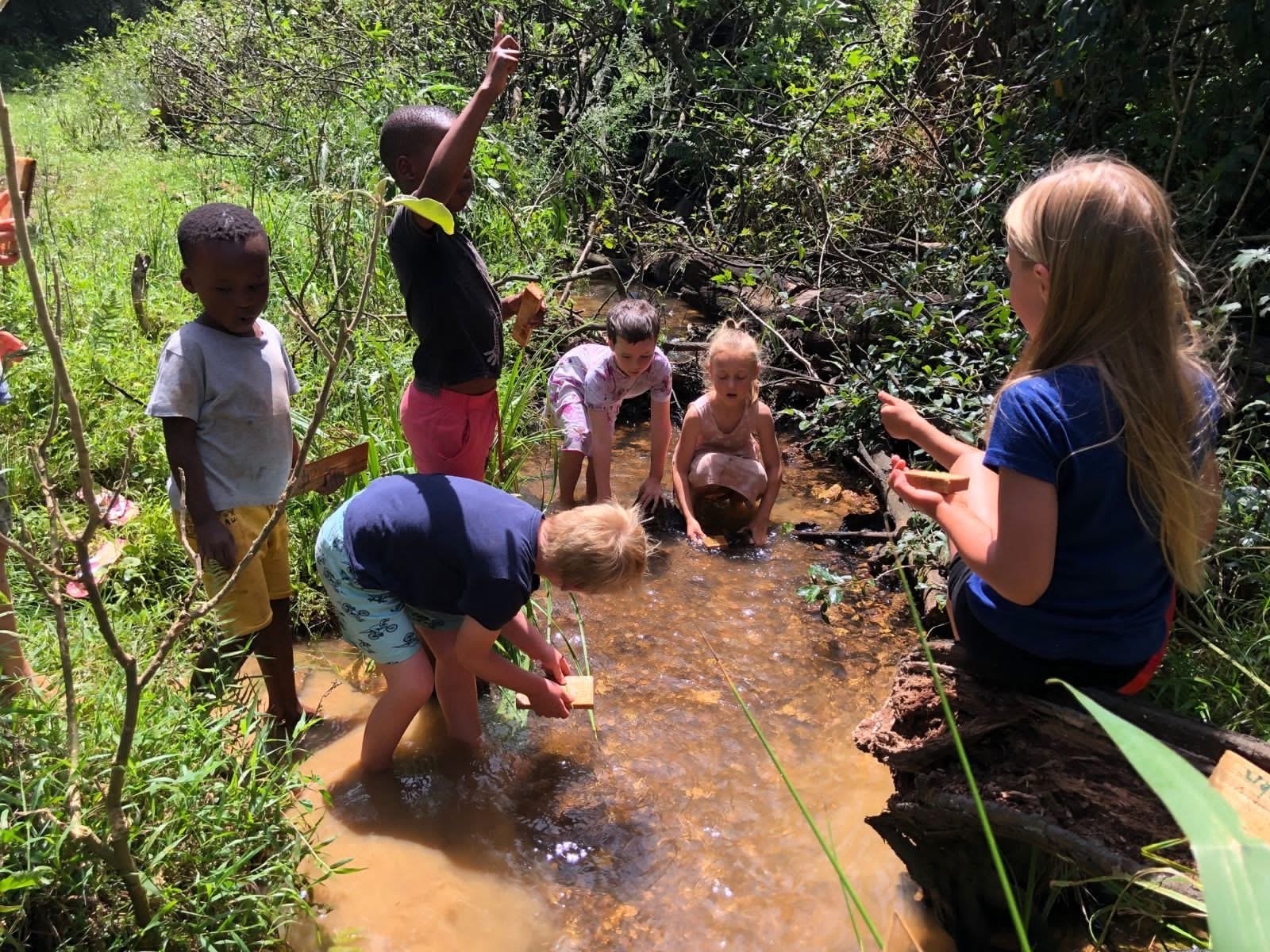
Beneath the laughter, mud pies and story circles, children are learning how to be in relationship — with themselves, with one another, with the land. They are learning how to name feelings, how to take turns, how to ask for help and how to offer it.
6–9 years
Mapping Phase
"I like to make maps — not just on paper, but in my head."
Between six and nine, children begin to map their worlds — both outer and inner. They notice patterns, build connections, and begin to understand relationships of cause and effect. Play and story continue to anchor learning, now enriched by emerging literacy, numeracy, and the first stirrings of abstract thought.
Facilitators walk beside the children as co-explorers. They listen for the questions beneath the questions, offer materials and invitations that expand inquiry, and hold a steady rhythm that allows focus to grow without constriction. Reading and writing often arise naturally here — from a wish to record discoveries, create instructions for a game, or send a note to a friend.
Socially and emotionally, this is a time of mapping too: discovering friendship, fairness, and difference; learning how to work together, to disagree and repair, to take responsibility.
9–13 years
World-Building Phase
"Sometimes we spend days evolving a metaverse. It starts with one idea and then everyone adds to it."
The World-Building Phase marks a shift into greater complexity — both in thought and in relationship. Between nine and thirteen, children explore identity, belonging, and responsibility through creative expression. The worlds they build are laboratories of thought — places where they collect, combine, and reconfigure information from every corner of their experience.
Research, negotiation, and problem-solving integrate organically as they construct living systems of meaning. Knowledge from stories, games, physics, mythology, architecture and mathematics becomes raw material. Reading, writing and numerical skills develop as tools that enable expression and understanding.
Facilitators remain present as companions and resource-keepers, supporting depth and dialogue while preserving each world's internal logic. This is where thought and imagination become alive — where creativity and analysis merge.

14+ years
Self-Mastery Phase
"The task of this time is not simply to learn new skills, but to learn how to navigate the complexity of selfhood."
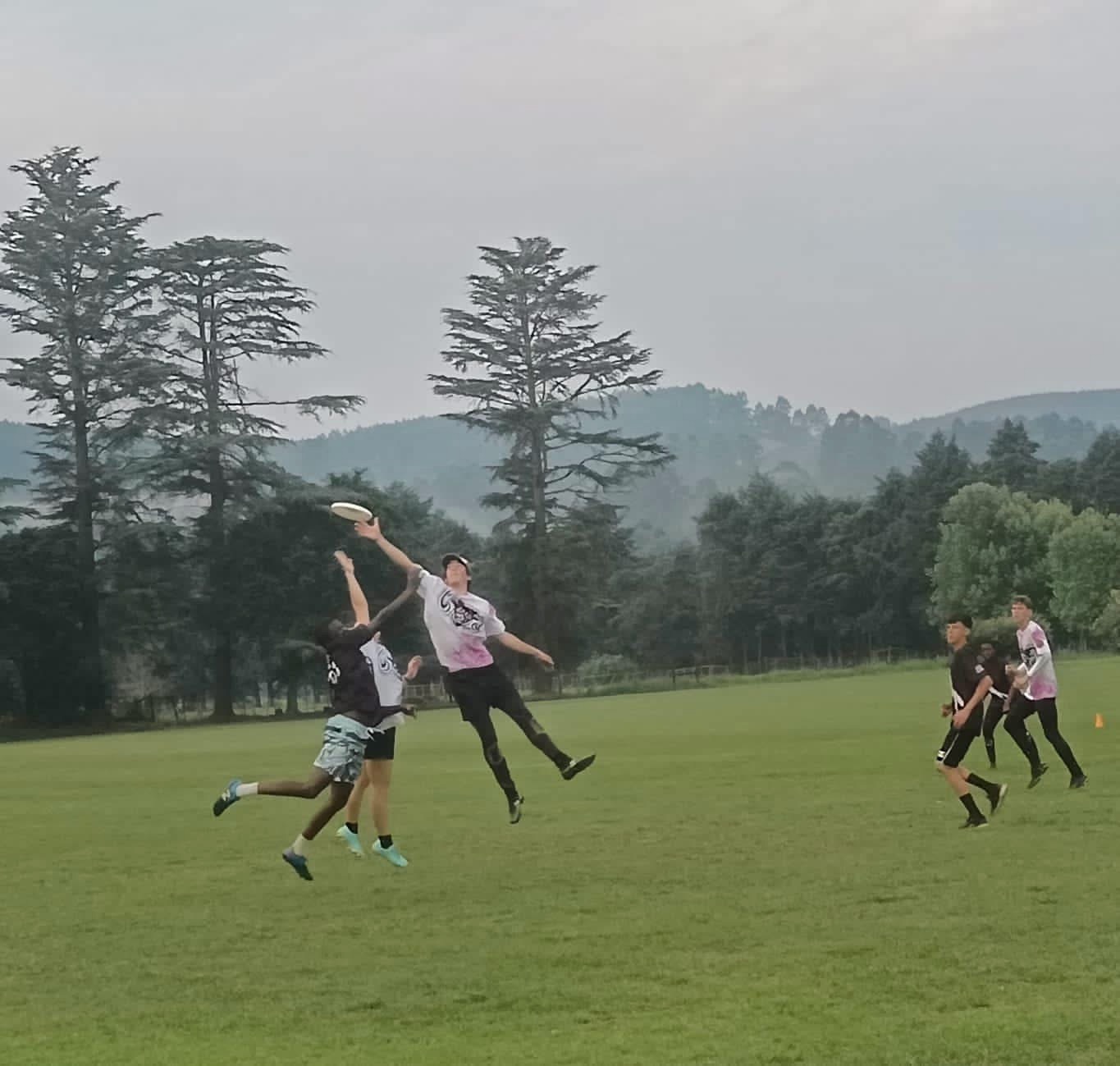
The Self-Mastery Phase begins around fourteen, when the horizon of the future comes into view and young people start to sense themselves as agents within it. Much of the work is interior: forming values, testing boundaries, discerning what is authentic and what is borrowed.
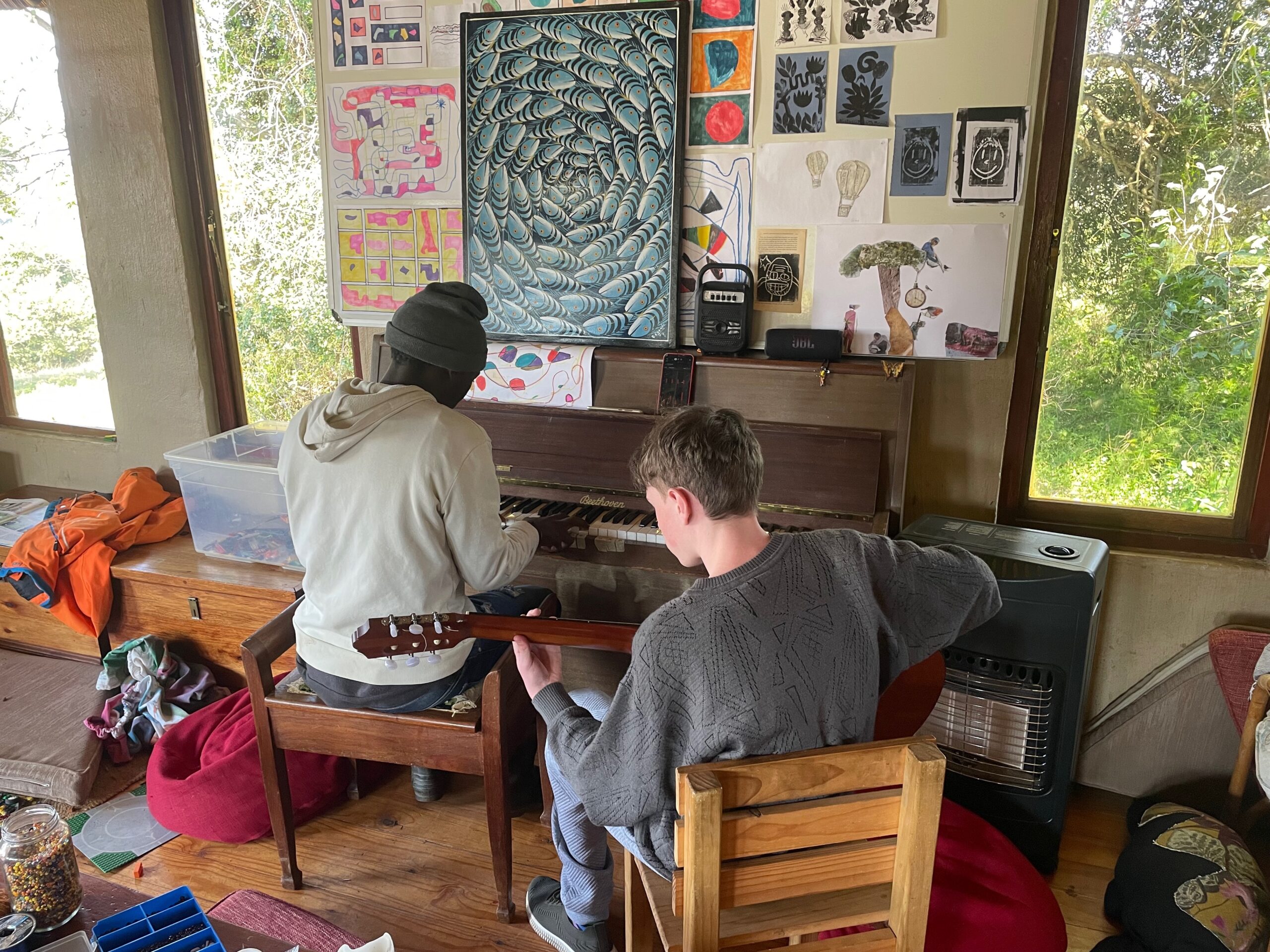
The ecosystem holds them gently in this space — neither directing nor abandoning, but remaining available, steady, and respectful of timing. Facilitators and mentors shift toward companionship and standby support, trusting that each young person is capable of charting their own next steps.
Some choose to pursue formal qualifications to open future options; others follow project-based or apprenticeship pathways; still others create their very own paths. What matters most is that each one learns to hold their own compass — to recognise the signals of integrity, curiosity, and care that guide them from within.
Threads that run through every phase
Project-Based / Co-Operative Inquiry
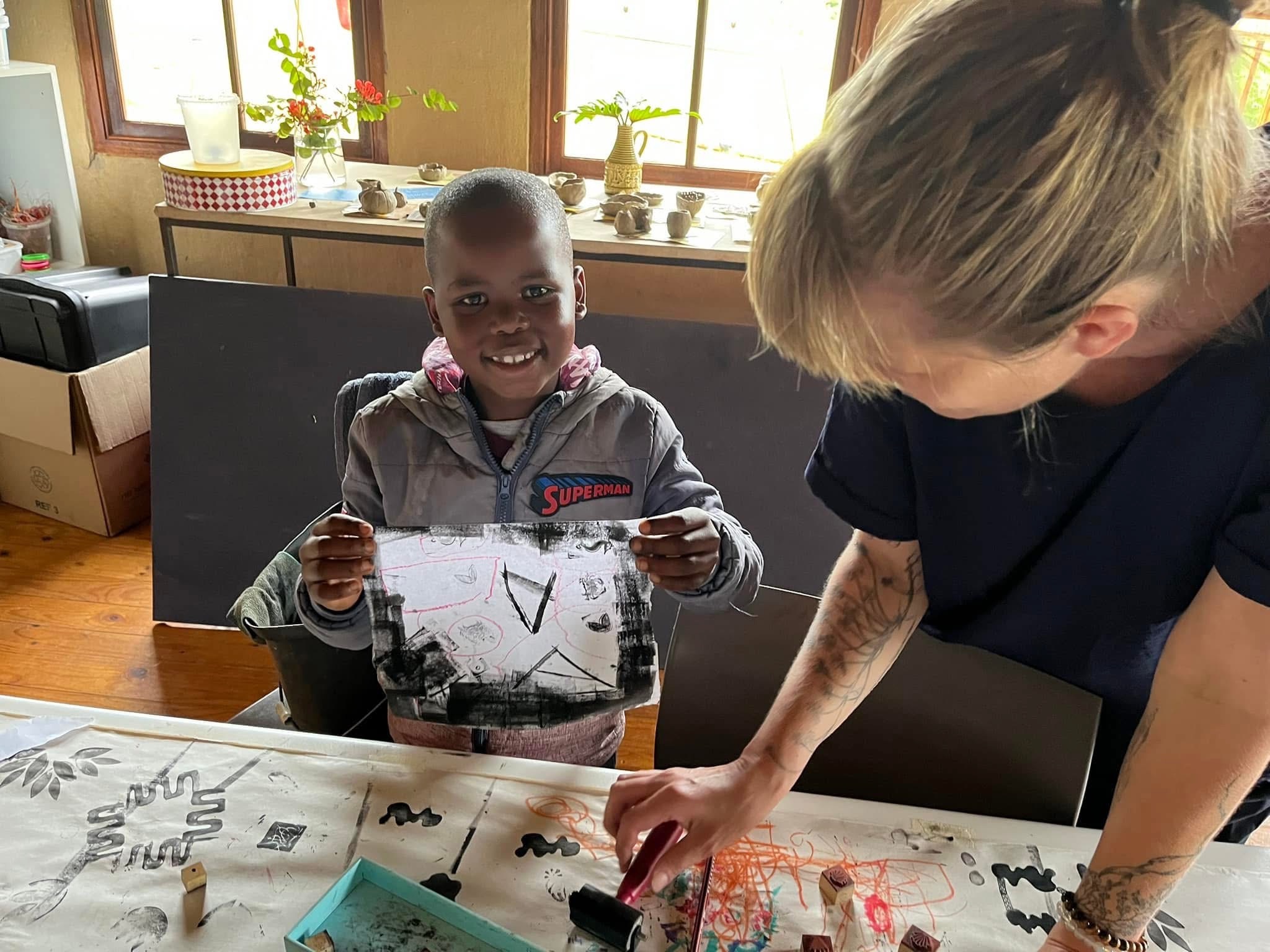
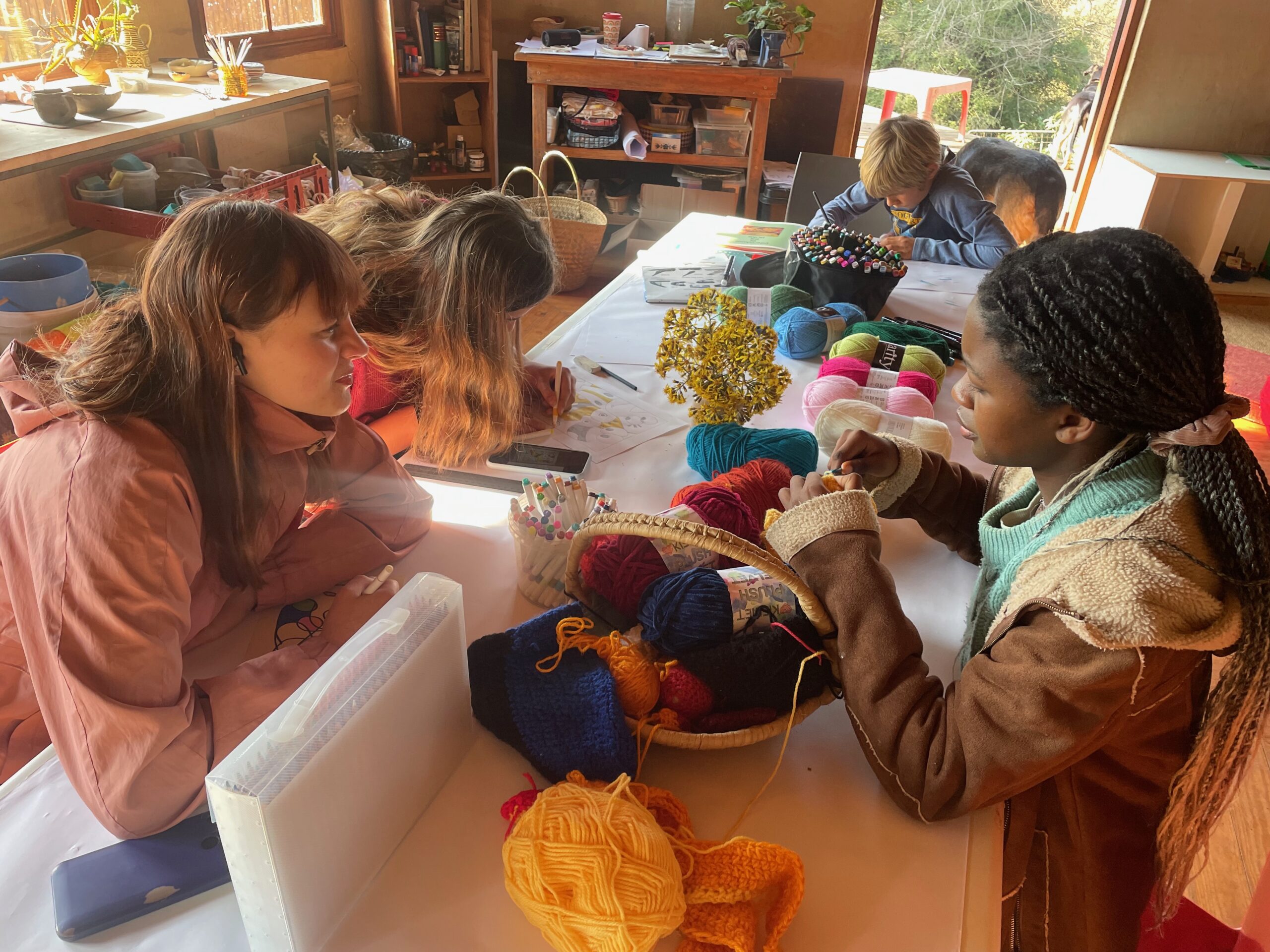
Facilitated explorations — subject deep-dives (maths, literature, languages, psychology), collaborative sessions (life prep, technology, debating, current affairs, leadership, STEAM), and makerspace and kitchen projects that sometimes grow into small enterprises. These are not lessons but invitations, taken up by choice.
Mentorship & Pathway Development
Weekly one-to-one time with an adult mentor for reflection and goal-setting, and support for self-directed study — including formal qualifications for those who choose them. As young people approach the Self-Mastery Phase, mentorship turns toward the question of what comes next.
Farm & Forest Play & Exploration
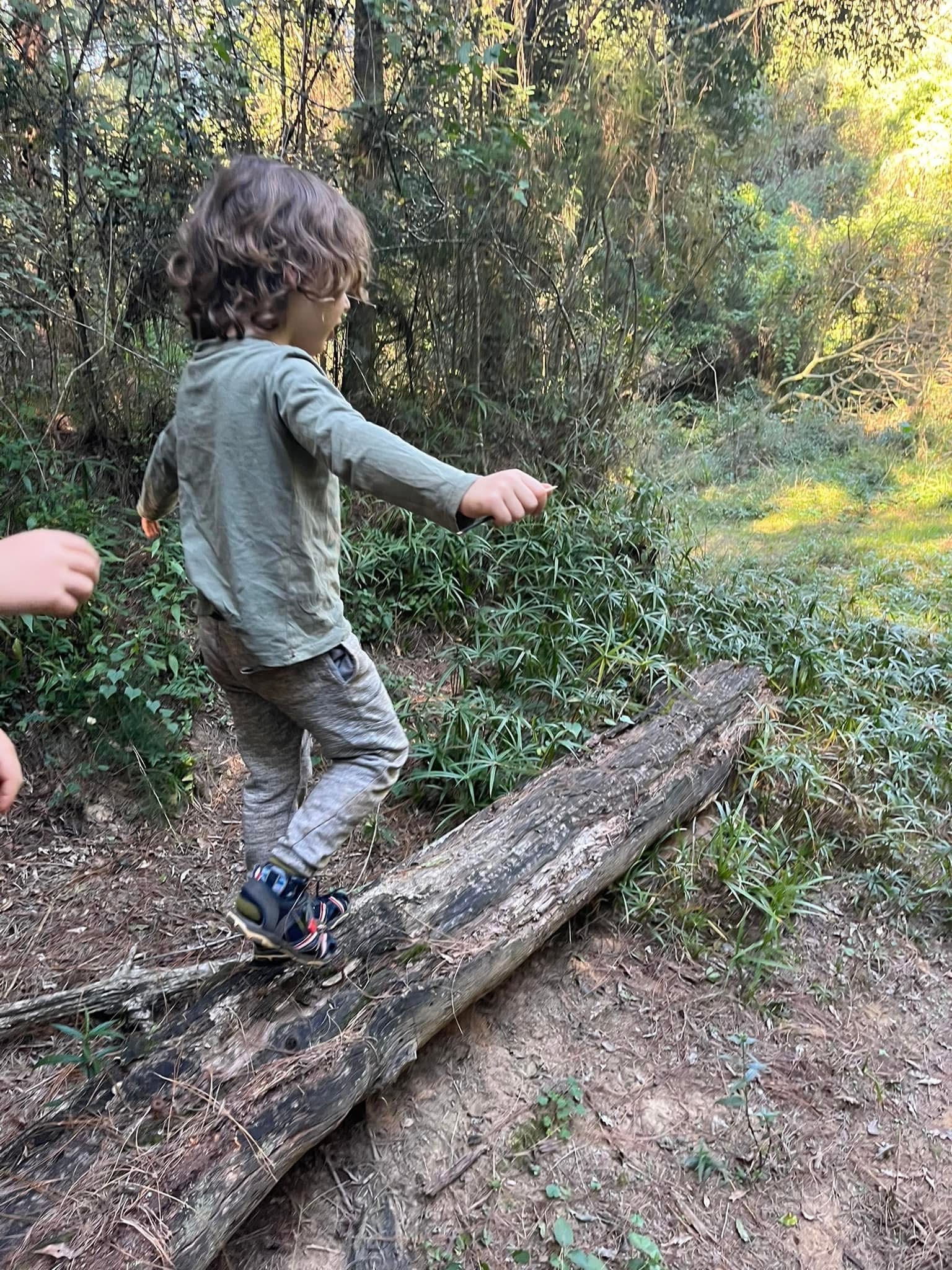
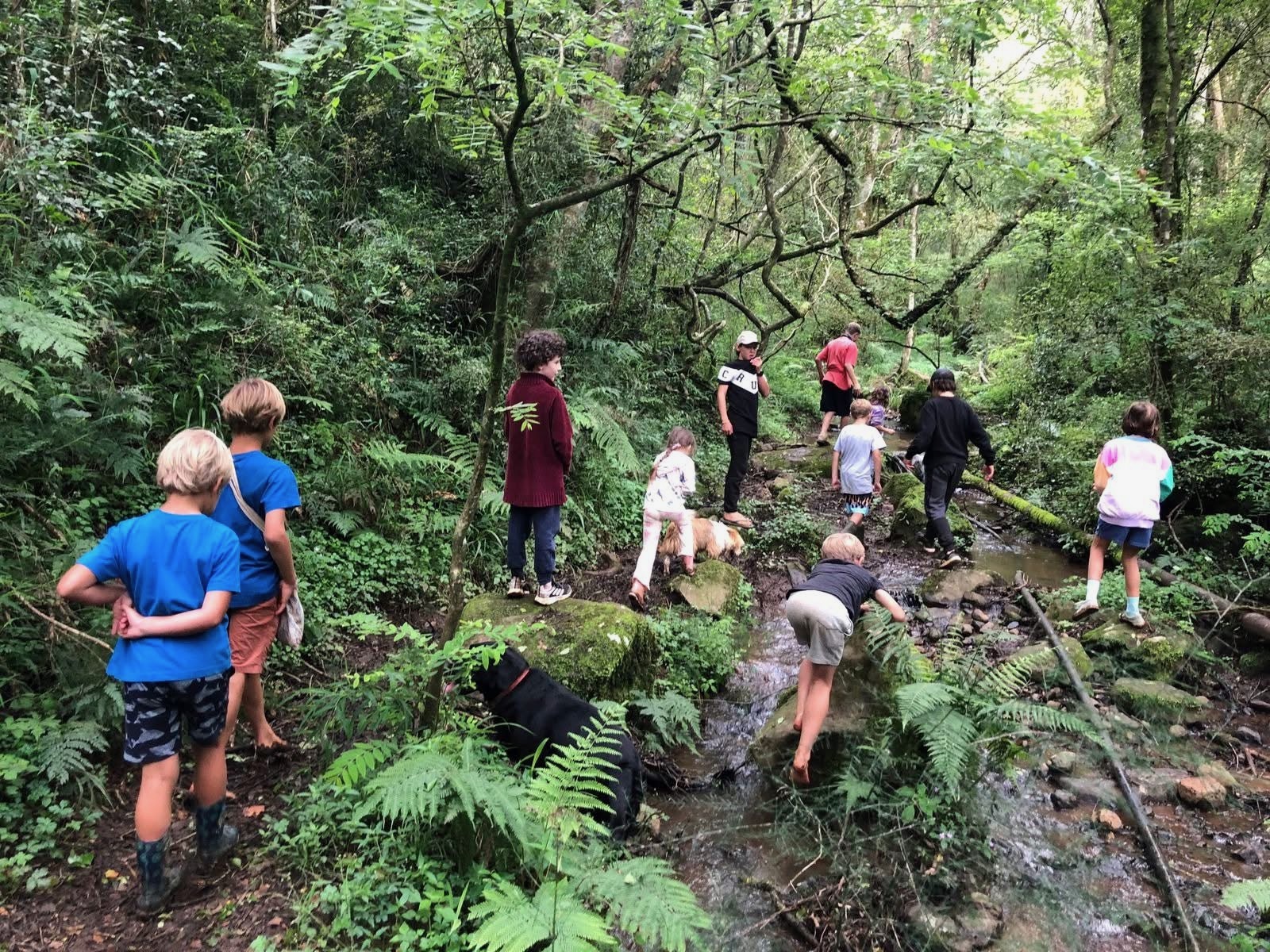
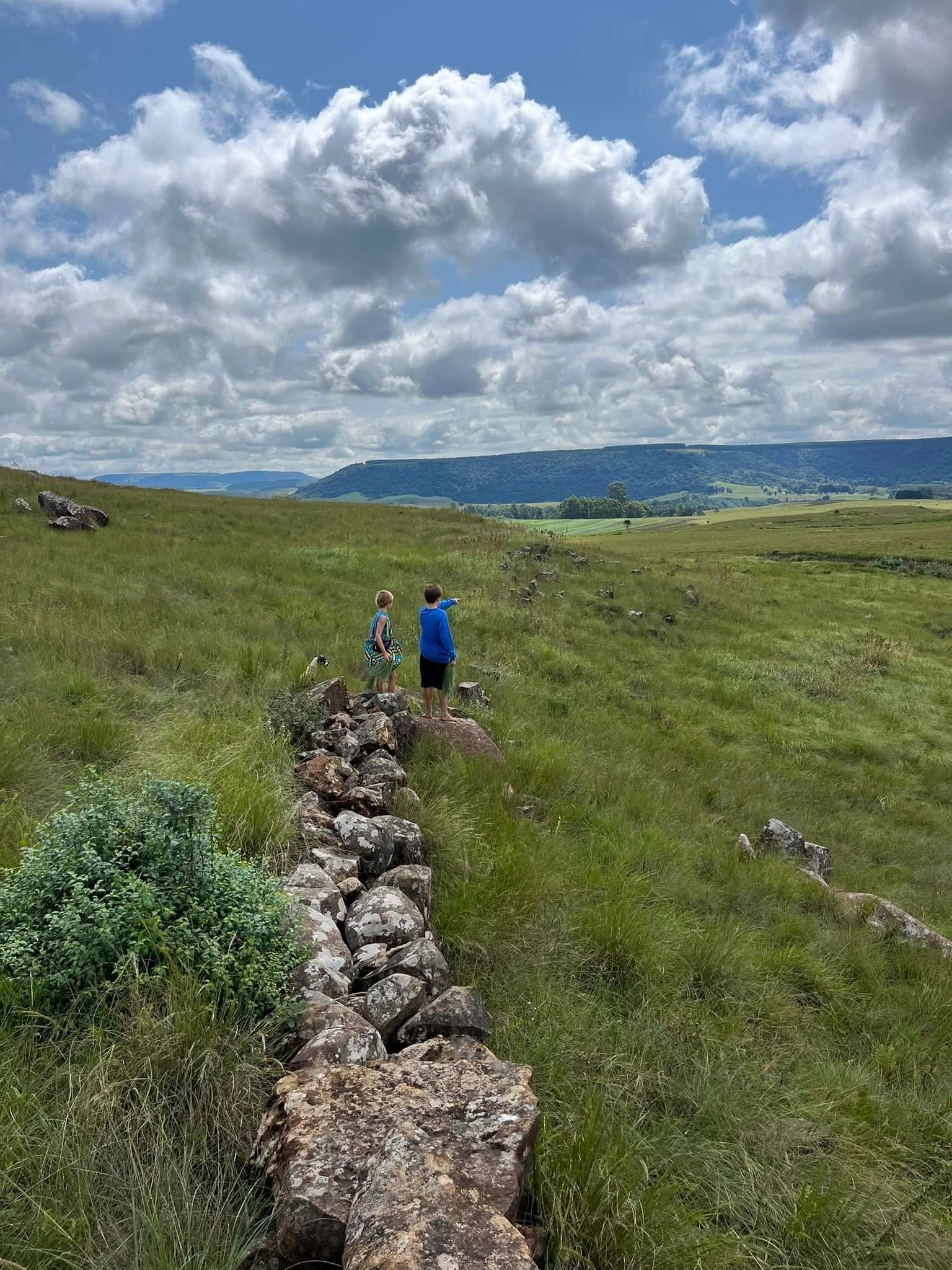
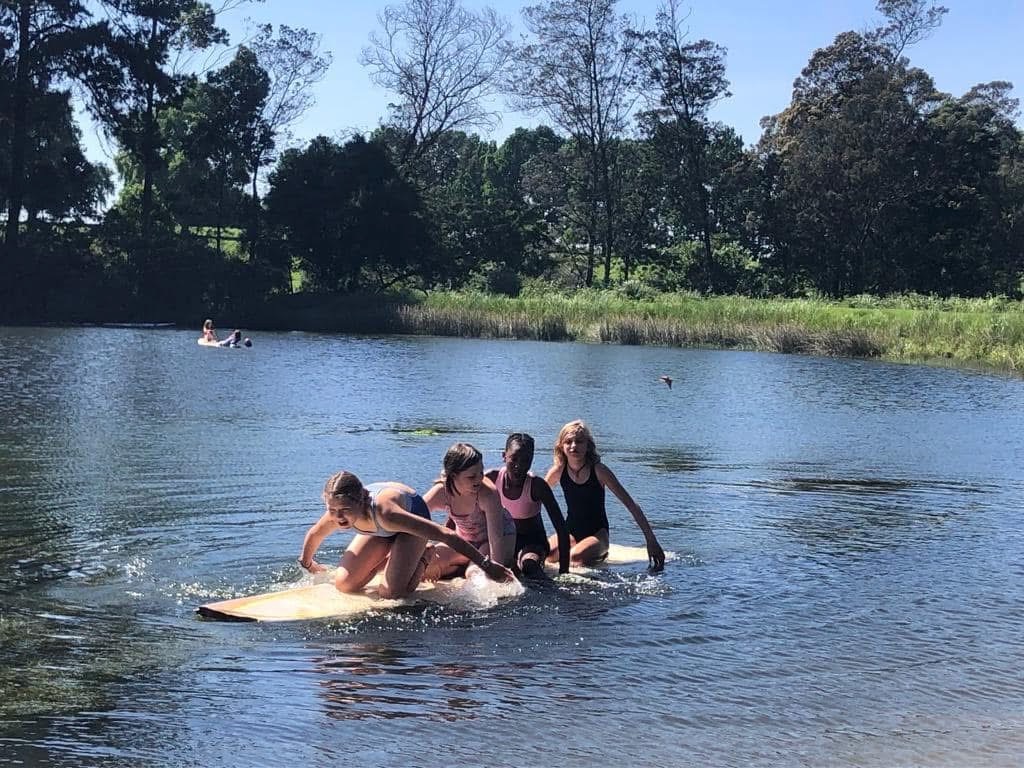
Dens and bridges in the forest, fishing at the dam when the weather calls for it, regular hikes, the tractor as a ship. The land is the first and most constant teacher, and free play in it is where much of the real learning happens.
Life-Long Learning
The ecosystem is not only for children. Parents, facilitators, practitioners and visitors learn here too — alongside the children and from them. Learning does not end at a certain age; it changes shape.
Movement through the ecosystem
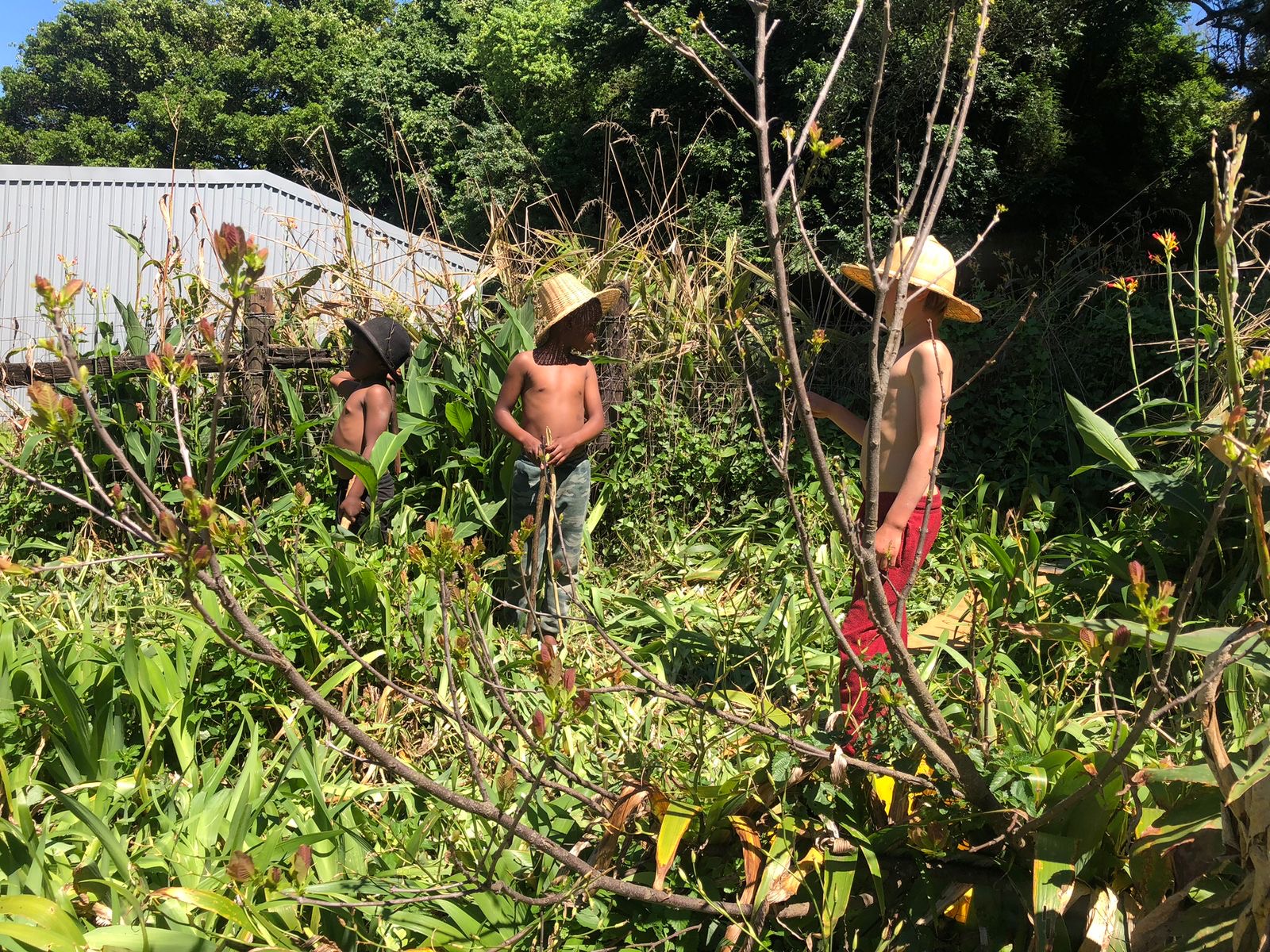
Learning doesn't just happen in a designated "children's area." Our young people move through the entire ecosystem, engaging with real work and real community.